

Abu al-Qasim az-Zahrawi: scientist and surgeon
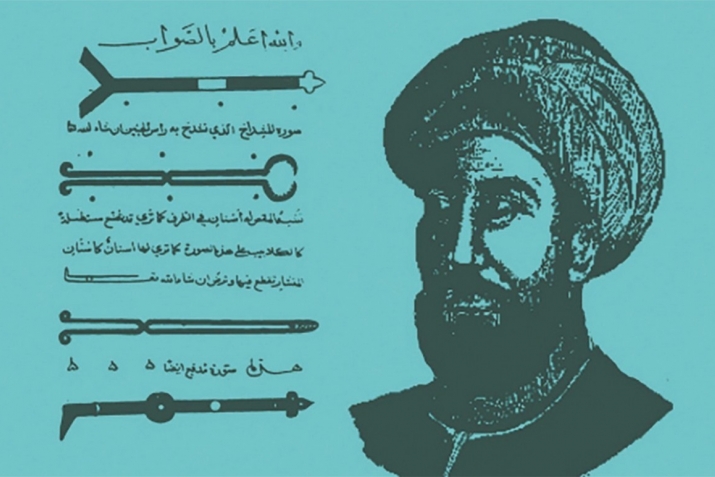
Many of this scientist’s inventions are used in medical practice today. The medical encyclopedia of az-Zahrawi “Kitab al-Tasrif” summarized a wide range of topics: general medicine, orthopedics, ophthalmology, dentistry, pharmacology, dietetics, obstetrics, gynecology, pathology, surgery.
The scientist described surgery in the last volume, as he considered that it was the highest form of medical science. The doctor was convinced that it was necessary to first master all the previous sections, especially anatomy, organ function, study arteries, veins, bones, muscles and nerves - only then can one begin surgery. If one does not know physiology and anatomy, a mistake is possible that may cost the patient his life.
The 30th volume of the encyclopedia “On Surgery and Instruments” consists of three books. It is the first illustrated manual on surgery. Az-Zahrawi drew diagrams of each instrument for a specific operation. He invented more than 200 surgical instruments, many of which are used to treat people in modern surgery.
He was the discoverer of the hereditary cause of hemophilia. He was the first to describe the cause of paralysis and the first to use catgut for internal sutures. Catgut is still actively used in modern medicine. For urology, az-Zahrawi invented an instrument with which he could crush a stone inside the bladder without resorting to a surgical incision.
Az-Zahrawi’s technique was progressive compared to European methods at the time that caused unbearable pain to the patient and often resulted in death. Abu al-Qasim az-Zahrawi made a great contribution to the development of periodontology and dentistry by inventing dental instruments. He was the first in the history of dentistry to use replantation (surgical grafting of an organ separated from the body).
Az-Zahrawi made an invaluable contribution to pharmacology and pharmaceuticals. He was the first to prepare medicines using distillation and sublimation. Later, the pharmaceutical methods of the Islamic doctor were translated into Latin and became a great help to European herbalists. His book with medical recipes became very popular, as it clearly explained the methods of preparing them. In his medical encyclopedia, Abu al-Qasim wrote a chapter on cosmetics, which he considered a part of medicine. He called it “beauty medicine” and described aromatic oils, incense and perfumes. He also created aromatic sticks - the predecessors of modern deodorants and lipsticks.
The main influence of Abu al-Qasim az-Zahrawi on Western medicine was through the expressiveness of his descriptions and the way in which he presented the content also aroused European scholars’ interest in Arabic literature: His methods retained their dominant position in Western medicine for 500 years.