

Poor sleep tied to kids’ lower academic performance,
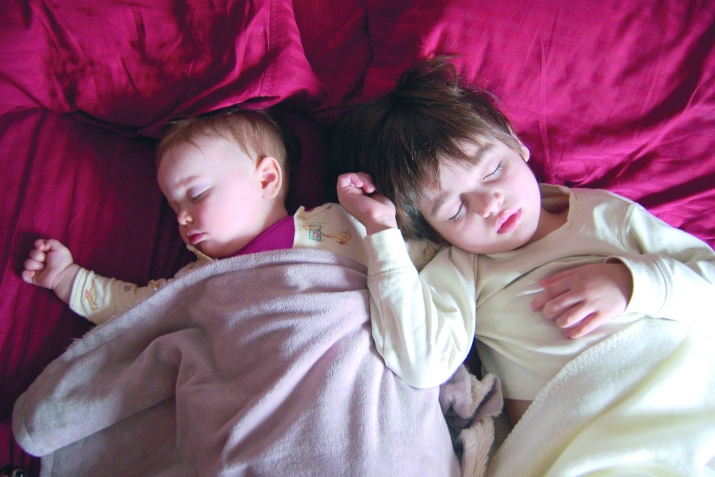
Children who have trouble sleeping tend to do worse in school than their peers who get a good night’s sleep, a new study suggests.
Researchers in Brazil looked at children age seven to 10 who attended Sao Paulo public schools. They found kids with symptoms of sleep disorders or sleep breathing disorders earned lower grades than those without problems sleeping, on average.
Thirteen percent of children with difficulty sleeping had failing grades in Portuguese, compared to nine percent of those without sleep problems. Likewise, 25 percent of kids with disrupted sleep had failing math grades, versus eight percent of children without trouble sleeping.
“Because (symptoms of sleep disorders) and particularly (sleep breathing disorders) are highly prevalent, we suggest that all health professionals and educators become aware of this striking effect and take appropriate actions to solve or mitigate what could very well constitute a public health issue,” researchers led by Luciane Bizari Coin de Carvalho from the Universidade Federal de Sao Paulo wrote.
Experts estimate that roughly one-quarter of US children have disrupted sleep at some point during childhood. Erratic bedtime hours and anxiety, either at school or at home, may contribute.
Other children may have unrecognized sleep disorders, such as sleep walking, nightmares or insomnia, or sleep breathing disorders, like sleep apnea. Some medications, including those for asthma or attention-deficit/hyperactivity disorder, can affect sleep. The underlying medical problems may also cause sleep disturbances.
Poor sleep among children has been tied to obesity, which over the long term increases the risk of heart disease and diabetes. And poor school performance has been linked to early dropout rates – so the new findings may have implications beyond getting a good night’s sleep, researchers said.
From 1999 to 2001, the researchers distributed 5,400 questionnaires asking about symptoms of sleep disorders and sleep breathing disorders to children in Sao Paulo public schools. Then they looked at the Portuguese and Math grades of 2,384 children whose parents filled out and returned the questionnaire.
The study team found about 31 percent of the children had symptoms of sleep disorders – such as difficulty falling or staying asleep, or feeling sleepy all the time – and close to 27 percent had sleep breathing disorders. Those students’ grades were significantly lower than the grades of kids without sleep disorder symptoms.
In Brazil, grades are based on a scale of 0 to 10, with 5 considered passing. Average Portuguese grades were 6.6 for kids with sleep problems, compared to 7.1 among those with no sleeping trouble.
Likewise, children with symptoms of sleep disorders or sleep breathing disorders earned an average grade of 6.3 in Math, compared to 7.1 for other children, according to findings published in the journal Sleep Medicine.
However, the new study cannot say definitively that sleep problems were to blame for poor grades, researchers said.
“This study does not prove that a sleep disturbance causes decreased academic performance,” Bazil said, “but it shows an association. Basically every category of sleep disturbance the authors looked at correlated with decreased academic performance.”
Source: Agencies