

Six habits that destroy our brains
What influences our brains? Genetics, prenatal development, upbringing and the foundation laid in childhood, our surrounding, nutrition, the environment and lifestyle.
What habits, to which many of us are subject, are destructive to our intellect and hinder the formation of new neural connections?
- Social media
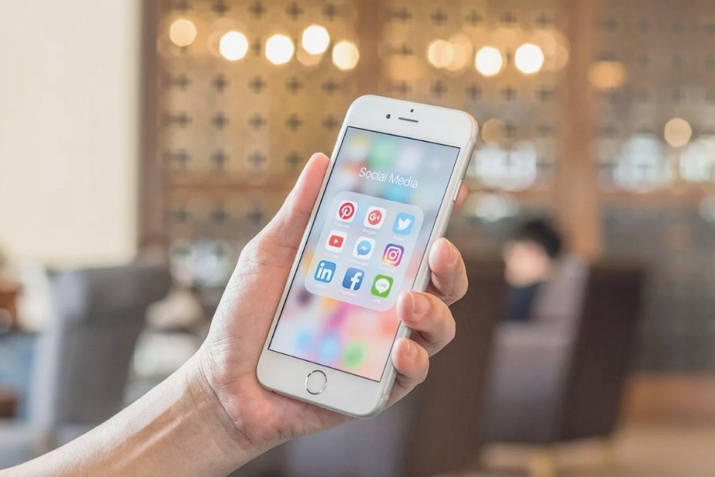
Today, social media abuse has become one of the most serious addictions. According to scientists from Stanford University, the daily influx of chaotic digital information significantly impairs memory. Digital multitasking is especially dangerous for our brains. When we try to simultaneously watch videos, chat with someone and scroll through social media feeds, this greatly impacts episodic memory and we easily forget images and events we encountered just minutes ago.
- Lack of sleep
Systematic sleep deprivation leads to neuronal atrophy – the premature aging of the brain. The rate of formation of new connections and new cells slows to a minimum, and a person loses the ability to perceive, remember and analyse new information. Sleep deprivation impairs response to external stimuli; it is not just a tendency to overlook details but also a severe decrease in attention, which can be life-threatening.
- Psychostimulants
Alcohol, drugs and nicotine in any quantity are tantamount to suicide for our brains and a complete loss of intelligence. But there are several other types of killers – the kind that come in cans, so beloved by the younger generation. Energy drinks, containing enormous doses of caffeine, taurine and sugar, block adenosine and promote the release of large amounts of adrenaline into the bloodstream. Consuming these highly advertised drinks is like experiencing a bomb explosion. All body systems begin to function in an unnatural manner: the cardiovascular system and brain take the brunt of the impact. Severe headaches, inability to concentrate and a sharp decline in memory await those who often consume energy drinks.
To be continued…