

Why do Muslims pray on a mat?
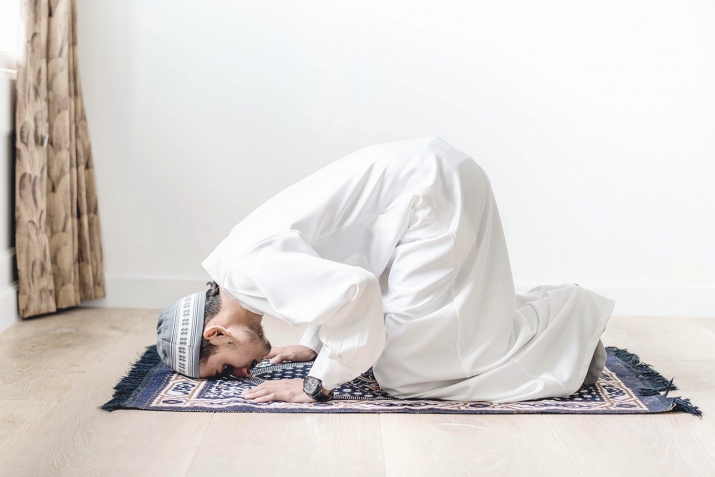
The image of a Muslim performing namaz on a prayer mat has become firmly entrenched in the public consciousness. However, why is a mat used in prayer, what is the purpose of this and is it possible to pray without it?
One of the features of the community (Ummah) of the Prophet Muhammad ﷺ is the ability to pray anywhere on Earth. Previous communities were prohibited from doing so. Believers of previous communities had the right to pray only in temples. And when a person got to a place where there were no religious buildings, he had no choice but to refuse to pray. At the same time, the requirements for the prophets were even stricter; they were ordered to pray only in a place specially designated for the religious leader (mihrab). But by the grace of the Almighty and out of love for the Prophet Muhammad ﷺ, the entire globe has been made a place for prayer.
Namaz on a prayer mat
The Messenger of God ﷺ said in one of his hadiths, “The entire earth has been made for me a place of prayer and a means of purification, so wherever a man of my Ummah may be when the time for prayer comes, let him pray wherever he is.” (Narrated by Al-Bukhari and Muslim).
So why do Muslims pray on a mat? This is done only for the purpose of maintaining cleanliness. One of the conditions of prayer is the absence of any impurity (najas) in the place where it is performed. These include blood, urine, feces, pus, etc. Dog saliva is also considered impurity.
But the place where we are going to pray is not always clean, even at home. For example, a baby’s excrement can stain the carpet laid out on the floor. And in order to clean it from impurity, it is necessary to wash the dirty place with running water, which is not always possible. Therefore, a prayer mat is laid on top, thereby protecting the place of prayer from dirt.
Sometimes a mat is laid for aesthetic purposes, so as not to stain clothes, for example, when performing namaz on the street, especially in rainy weather. But in principle, one can pray anywhere, as long as this place is clean from impurities.