

Rules of virtue, or how to properly read the Koran
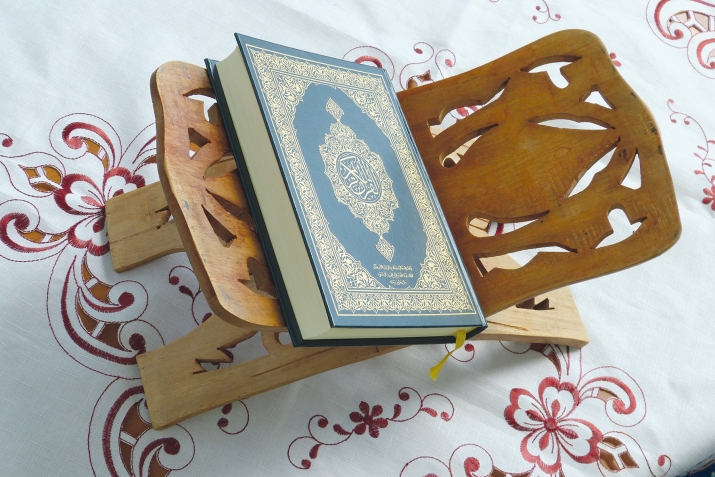
Reading the Koran with all the proper conditions is the best form of remembrance of Allah. But it is important to reflect on what one is reading. When reading the Koran, it is necessary to observe certain rules of conduct and pursue certain goals.
The Koran should be read constantly, night and day, at home and in the mosque, while traveling and while staying in place. If, thanks to deep reflection, a person manages to comprehend some subtleties and acquire new knowledge, let him devote as much time to reading the Koran as this will allow him to fully understand what he is reading.
If a person is not engaged in the dissemination of knowledge, resolving disputes between Muslims, or any other religious or worldly affairs in the interests of Muslims, let him try to read the Koran as much as possible, but not so much that it bores him or makes him read too quickly.
When reading the Koran, first of all, it is necessary to show sincerity. The Koran should be read only for the sake of the reward of Allah Almighty, without trying to achieve any other goals through reading.
A person reading the Koran must adhere to certain ethical norms and not forget that he is having a secret conversation with Almighty Allah, while reading His Book. This means that one must read as one who sees Allah would read and if a person does not see Allah, he must remember that the Almighty sees him.
A person engaged in reading the Koran must show humility and submissiveness and reflect on the meaning of what he has read. This is the desired goal, the achievement of which brings joy to people and contributes to the illumination of hearts.
Some of our righteous predecessors read one ayah of the Koran throughout the night or most of it, reflecting on its meaning, as a result of which some sometimes lost consciousness and others died. When reading the Koran, it is desirable to cry, or if a person cannot cry for real, then at least pretend to cry, because crying during the reading of the Koran is a feature of those who know Allah and a sign of the righteous slaves of the Lord.
It is desirable to read the Koran as beautifully as possible, but not too long; if the reader adds or subtracts even one letter, he will commit something forbidden.
The same applies to chanting: it is forbidden to read the Koran chanting if the reader allows certain deviations from the established rules, otherwise it is possible to chant.
It is very important to observe all the above conditions and rules for reading the Koran and to go towards the right goal. And most importantly, if a person contradicts what he himself reads in the Holy Scripture, it may happen that he not only will not receive a reward for this, but will also fall into sin. And a person will receive a reward for reading the Koran itself regardless of whether he understands the meaning of what he is reading or not.
It is reported that Anas ibn Malik said: “How many are those who read the Koran who are cursed by the Koran?” (“Ihya’ Ulum ad-Din”, 1/274).
Therefore, every person who reads the Koran must follow the prescriptions and avoid the prohibitions that are listed in it. Thus, frequent reading of the Koran can become a person’s assistant in following the commands and prohibitions of Allah.
One of the Walis of Allah, Abu Sulayman, said: “On the Day of the Great Judgment, the guardian angels of Hell (zabaniyat), leaving the idolaters, rush after those who read the Koran and did not follow it, in order to catch them and torture them.”
Much has been written in books about the adabs (ethics) of reading the Koran, about the fact that it is not enough to just read it, it is also necessary to follow it. If we collect what is written about the Koran from all the books, then the goal of everything comes down to one thing - following what has been read.
May Allah help us to follow the Koran and Hadith as much as we can, to regret what we failed to fulfill from the commands of the Koran and Hadith, and to repent of this first of all ourselves, then the entire Ummah of Muhammad! Amin.