

It is faith that changes character and attitude toward the world
It is faith that changes character and attitude toward the world
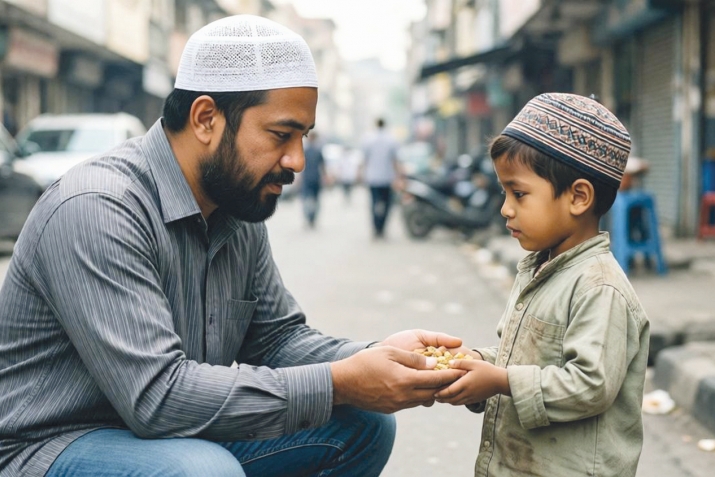
From resentment to forgiveness and patience
Life is full of injustice, grievances and trials. The common human reaction is anger, rancor, revenge or despondency. Islam offers a different, higher strategy, based on the concepts of sabr (patience) and ‘afw (forgiveness).
Patience in Islam is not passive submission to evil but an active, conscious fortitude. It is the ability to maintain clarity of mind, faith and a calm heart in the face of difficulties, placing one’s trust in God and believing in the wisdom of His predestination. The prophets, whose stories are recounted in detail in the Koran, are models of such patience. Following their example teaches a person to endure the blows of fate with dignity, without breaking down or falling into despair.
Regarding grievances, the Koran and Sunna call believers to forgiveness, even if there is the possibility of revenge. “Let forgiveness be your principle” does not mean encouraging evil; it means refusing to allow another person’s evil to poison your own heart. This approach radically changes one’s character: a person ceases to be a reactive being whose life depends on the actions of others. He, himself, becomes a source of peace and goodness.
Forming a holistic and harmonious worldview
Finally, Islam changes a person’s very relationship with the world. The world ceases to be an arena for blind struggle for survival or a platform for consumption. The beauty of nature, the complexity of the universe, the cycle of day and night – all of becomes a reminder for the believer of the wisdom, power and mercy of Allah ﷻ.
This worldview imbues life with deep meaning and spirituality. Work, creativity, starting a family, caring for offspring and the study of sciences: all become acts of worship when performed with the right intention and in accordance with divine principles. The gap between the ‘spiritual’ and the ‘worldly’ disappears. All of life becomes a single service and a person’s character becomes his primary instrument on this path.
Thus, Islam acts like a great sculptor, taking the raw stone of human nature and carving away all that is superfluous: pride, anger, greed, impatience - and in this process, the noble traits inherent in man are gradually revealed: justice, mercy, generosity, patience, courage and humility. This is a long and challenging journey, but it leads to genuine transformation, in which a person does not lose his individuality but, on the contrary, finds his best, truest self.