

Virtues of Rabi`ul-awwal
Rabi-ul-awwal is the third month of the Muslim lunar calendar, and it is one of the most significant months for believers. This month is special with the birth of the last Messenger of Allah, the Prophet Muhammad e. This month, the whole Islamic world celebrates this event, because Allah has blessed humanity with the birth of His best creation. The word «Rabi-ul-awwal» means the first spring month.
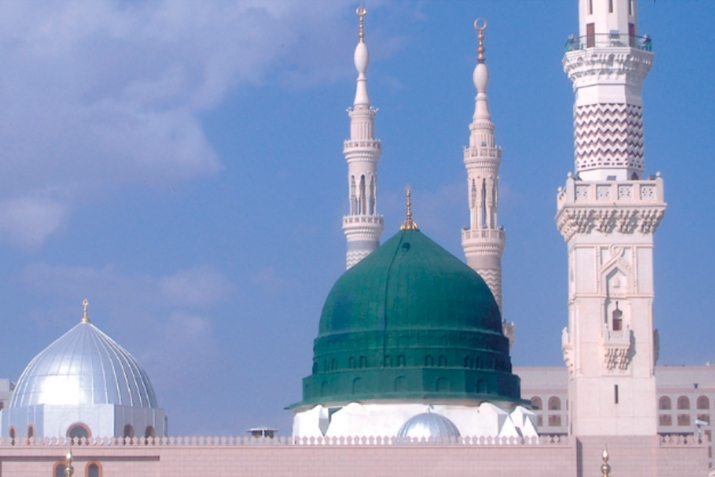
The sacred 12th day of the month Rabi-ul-awwal is especially important for Muslims around the world, since on this day the one who led humanity from darkness to light, and the one about whom Allah said «a blessing to all the worlds» was born.
Mawlid is celebrated with great devotion, trembling and reverence. This day is another opportunity for Muslims to retreat from the hectic world and think about more important things in life, about God, who blessed the world with His last messenger, about what the world would be without Him, who completed our sacred religion of Islam, meditate on the life of the Prophet e and the injunctions that he commanded. This day reminds the believers to keep alive the values practiced by the Prophet e, as well as his Sunnah. The Prophet e has become a blessing, and everything that is associated with him is good. This day brings us closer to the teachings of Islam and the way of life of the Prophet e. The month of the birth of the Prophet e encourages Muslims to remember the blessings of the Messenger e and fills their hearts with love for Him.
The birthday of the Prophet Muhammad e, is not a birthday in its usual sense. Mawlid is the day of blessing of the Prophet e with whom the Most High honoured humanity. During Mawlid, believers rejoice for the birth of the Prophet e and love for Him. This is a joyful day for every believer, since it was this very day that Allah made special, giving each Muslim a blessing. Allah has directed His love to the earth in the form of the best of His creations, the most perfect and most capable of directing humanity to the truth.
The life of the Prophet e is undoubtedly the principal example for all Muslims to emulate, and every Muslim should study the events of his life and follow the practical example left by him in every sphere of life. Celebrating the birthday of the Prophet e is a sign of love for Him and the desire to follow His Sunnah.
On this day in honour of the Prophet e Muslims often read Salawat (blessing), remember his life, which became for the believers the standard of morality, and strive to deserve his love by virtuous deeds. And this month, as well as in the other months of the year, Muslims should read the life story of the Prophet e, talk about the beloved of Allah e, and read the Quran and the Sunnah.
Most importantly, what should be done on this day, as on all others, is to praise Almighty Allah for this blessing, for the One through whom Islam came to us as a perfect and complete religion.