

How to stop yelling at children?
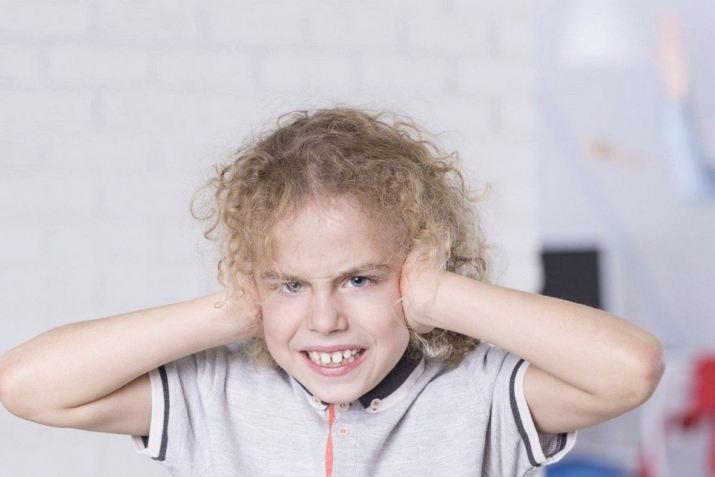
We live in a time when everyone has heard about psychology, self-analysis and various methods of education.
Many of us realize that by showing aggression towards our children, we cause them great harm. Yelling will not help raise a healthy generation capable of creating and inventing.
Every time we raise our voice at our child, we strike at the brightest sides of his soul. Trust, love, and tenderness become targets that quickly collapse, unable to withstand the onslaught of the closest people to the child – mother and father.
Why do we yell?
We, parents, want the best for our daughters and sons and are ready to sacrifice everything for their happiness. We realize how important our care and love are to them. But the vast majority of adults regularly break down into yelling and aggression towards children, realizing that this is a path leading to the abyss. After each such heartbreaking scene, many mothers and fathers repent but again and again return to such a destructive scenario.
Of course, the origins of our behavior should be sought in childhood. How often have we been subjected to aggression from adults? Have we felt fear when we saw our parents? Growing up, we understand that we want to raise our children differently. But behavior patterns are embedded very deeply, and again and again, without wanting it, we ourselves force our children to experience what we felt in childhood.
How to break the vicious circle?
The first thing psychologists advise is to learn to pause the conflict. When emotions are running high, the best thing is to leave the room, not allowing evil and dangerous words to escape from the tongue and fall on the child. This is not easy but adults are able to control their actions if they really want to. Try to harmonise your relationship with yourself, this will have a beneficial effect on all areas of life. Psychologists recommend using self-regulation practices that allow one to establish contact with his body and to channel one’s thoughts in the right direction. Monotonous movements are very helpful in this. A rocking chair or a swing allow one to relieve tension from the entire body and rid oneself of negative energy. Proper breathing will also help one take control of one’s feelings. Try to focus on this process. Take each inhalation and exhalation slowly, gradually filling one’s lungs with more and more air. Another practice that will help one not to snap at one’s child is grounding. Switch all your attention to your feet, feel a solid, stable support under your feet. Your feet should be in full contact with the floor, concentrate on this. Switch your attention first to your toes, then to your heels and to the entire foot. Imagine that your feet are connected to the ground by powerful roots that help you remain stable under any circumstances.
Why is it important to learn not to yell at children?
Yelling and aggression instill incorrect internal responses in our children. They feel unloved and unwanted every time their parents fail to cope with their emotions and to resolve a conflict situation correctly. This is specially the case, if it happens day after day and adults do not find the strength to explain to the child the reasons for their behavior and apologize. Mothers and fathers who decide to give up yelling in the family make a great contribution to the happy future of an entire generation, because our current behavior indirectly affects the grandchildren and great-grandchildren who will be born in the future to the children we raised. Realizing this is a great way to cope with negative emotions and to begin to communicate with the child from the position of a truly adult person.