

The future of our children
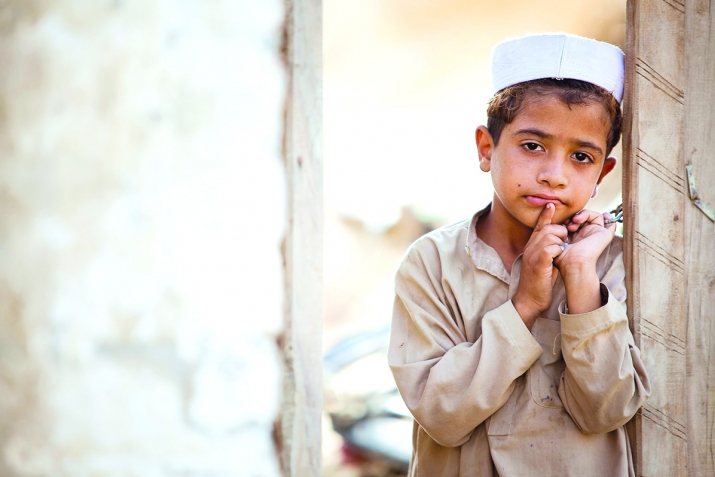
One of the sages said: “A knife wound heals quickly, a wound caused by words does not.” Truly body pain disappears after a few days or months but, while wounds and traces of verbal rudeness may not be visible, their consequences can be much worse. In this article I would like to consider how a rude attitude of adults and, in particular, of parents impacts on the future of children.
Mockery, intimidation, the use of street language, constant criticism, swearing in the presence of other people, harassment all this is unacceptable in relation to a small person who is just beginning to know himself and the world around him.
There are a lot of studies that confirm the high degree of destructive effects of verbal abuse on children. In particular, it has been proven that individuals who have suffered abuse in childhood are twice likely to become depressed than those who have not faced such an attitude towards themselves.
Modern research unveils much more information. Thanks to advances in brain technology, Mark Thatcher and his colleagues at Harvard University Medical School came to the conclusion that when a child exists in a hostile environment (i.e. where he experiences verbal and moral rudeness), this leads to permanent harm that accompanies the person throughout his life and gives rise to defects and damage in the brain.
In addition, in a comparative study published by the American Journal of Psychiatry, experts found that the brains of people affected by verbal abuse contain less gray matter, which, in turn, is strongly associated with mental level and ability for analytical and integrated thinking.
Another study of people between 18 and 25 years old who experienced verbal abuse in childhood found a weak connection between the right and left hemispheres of the brain.
This affects the level of thinking. People who have suffered verbal aggression are more vulnerable to negative emotions such as anger, hatred and prone to depression and various addictions as well.
According to experts, the human brain differs from those of other creatures in its complexity: it grows and develops continuously and perceives the influence of the environment. And for the mind to develop in the right way, it needs care and education, protection, support and unconditional love.
Love is the foundation of the relationship between a child and his parents. If a child suddenly acts badly, do not criticize him but rather criticize the bad deed. Psychologists are unanimous in this.
When a child faces verbal rudeness, he begins to look at himself through the prism of the negative assessment of his parents. That is, he can see himself as beautiful or ugly, smart or stupid, kind or evil, precisely because of the words of adults addressed to him.
Verbal rudeness causes mistrust, self-doubt, reduces creativity, affects the bodily, mental, spiritual, sensual and social development of our children! The most bitter thing is that children begin to doubt the truth of love and its existence.
Above we have considered scientific aspects of the influence of rudeness on the development of our children. But now let us look at this matter from the point of view of religion. Islam calls for kindness and denies rudeness in all its forms.
Caring for children, whom the Creator gave us as an amanat (trust), is not only about providing them with material benefits but granting them spiritual security as well.
Finally, let us recall another enlightened saying of the best of men, the Prophet Muhammad (peace and blessings be upon him), “Whoever is deprived of his portion of kindness has been deprived of his portion of goodness.” (Narrated by A-Tirmidhi)
SAMIA OMAROVA